What Are The Potential Benefits And Risks Of Refractive Lens Exchange For High Myopia? Discover Crucial Understandings Before Making Your Decision


go to this site -Kvist Secher
If you're fighting with high nearsightedness, you might be asking yourself if Refractive Lens Exchange (RLE) could be the remedy. This treatment changes your natural lens with a personalized intraocular lens, intending to improve your vision significantly. While several locate success with RLE, it is essential to consider the benefits versus prospective risks. Understanding just how RLE works and what it requires can assist you make an enlightened decision concerning your eye health and wellness. What should you take into consideration before proceeding?
What Is Refractive Lens Exchange (RLE) and How Does It Function?
Refractive Lens Exchange (RLE) is a surgery focused on remedying vision problems by changing the eye's natural lens with a man-made one.
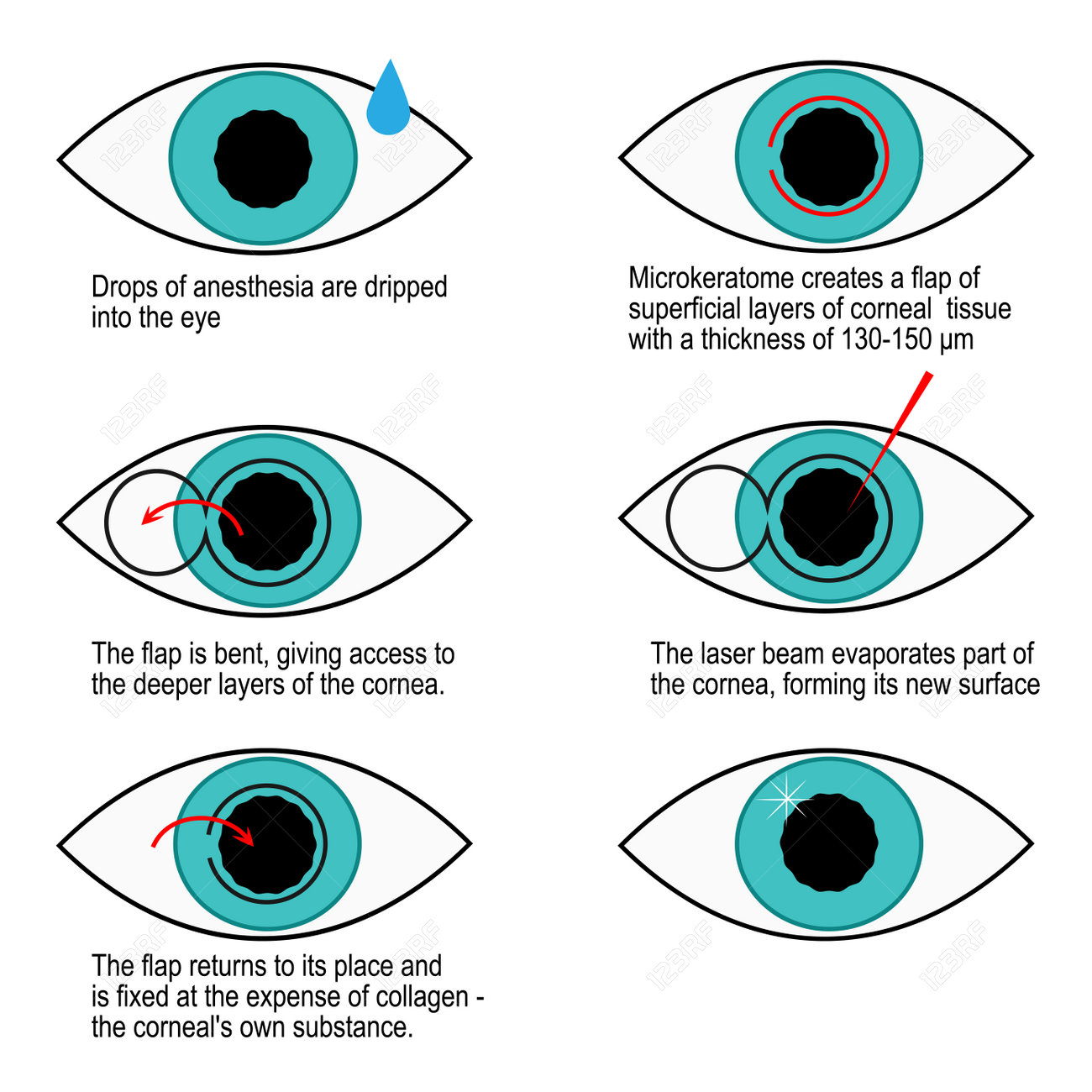
During the procedure, your eye surgeon makes a small incision and eliminates your existing lens. They then put a tailored intraocular lens (IOL) tailored to your details vision needs.
This process not only addresses refractive errors like myopia however also eases issues related to cataracts.
RLE commonly takes concerning 15-30 mins per eye and is executed under neighborhood anesthetic for your convenience.
After the surgical treatment, you'll delight in a quicker healing time compared to typical cataract surgery.
It's essential to follow your surgeon's post-operative directions for optimum results and a smooth recovery procedure.
The Benefits of RLE for Handling High Myopia
If you're dealing with high myopia, RLE supplies an appealing remedy that can significantly boost your vision. This procedure changes your eye's natural lens with a synthetic one, allowing for a more precise adjustment of your refractive mistakes.
Unlike standard techniques like glasses or get in touches with, RLE addresses the underlying problem directly, supplying clearer vision at different ranges.
In Surgical Vision Improvement , RLE can reduce your dependancy on restorative eyeglasses, providing you the liberty to enjoy daily activities without hassle.
You'll also gain from a reduced risk of establishing cataracts later in life, as RLE replaces the lens before age-related changes occur.
With a fast recovery time, many clients experience boosted vision within days, making RLE an appealing alternative for managing high nearsightedness.
What Are the Risks and Factors To Consider of RLE?
While RLE can provide significant advantages, it's important to think about the potential threats included. You might experience difficulties like infection, blood loss, or retinal detachment, which can impact your vision. Some people report glare, halos, or problem with night vision after the treatment.
In addition, there's an opportunity your prescription will not maintain, calling for further changes or therapies. You ought to also consider your overall eye wellness and any kind of pre-existing conditions, as these can influence outcomes.
It's important to choose a qualified surgeon who specializes in RLE to minimize dangers. Make certain to have a detailed discussion with your eye treatment expert about your assumptions and issues prior to determining if RLE is best for you. Being informed will certainly assist you make the very best option for your vision.
Verdict
In conclusion, Refractive Lens Exchange (RLE) can be a game-changer for those fighting with high myopia. It offers clear vision and much less dependence on glasses or contacts. Nonetheless, it's critical to consider the advantages versus possible dangers. Prior to making a decision, have an open conversation with your eye treatment specialist to ensure you comprehend all aspects of the treatment. With the right details, you can choose that ideal suits your vision needs.